Humanities Definition
Compared to the excitement I had trying to define revolution, I am more reluctant to define the term “Humanities”. The reason, I believe, is that the word “Humanities” is used in so many contexts with so many different connotations that I doubt I am able to come up with a satisfying definition. But I will give it a shot.
Two major usages of the word “Humanities” is humanities as the name of the human race collectively and humanities as the discipline. The term “humanities”(with a lower case h) can be used in a similar context as Homo Sapiens to summarize the collective identity of our race. Personally, I’m leaning more towards spending more time defining”Humanities”(with an upper case h) as a discipline because I believe discussing”humanities” merely as a name for our race is a bit trivial and even boring as to discussing the marvelous achievements humans have made to reach our current level of living.
So, having said that, what does “Humanities” mean as a discipline? Well, in my opinion, “Humanities” is the study of human development. This definition may sound very similar to the definition of anthropology, which is the study of human societies. But “Humanities” should be a rainbow term that includes anthropology, along with a range of other subjects such as history or political science. The study of human
Looking back at the
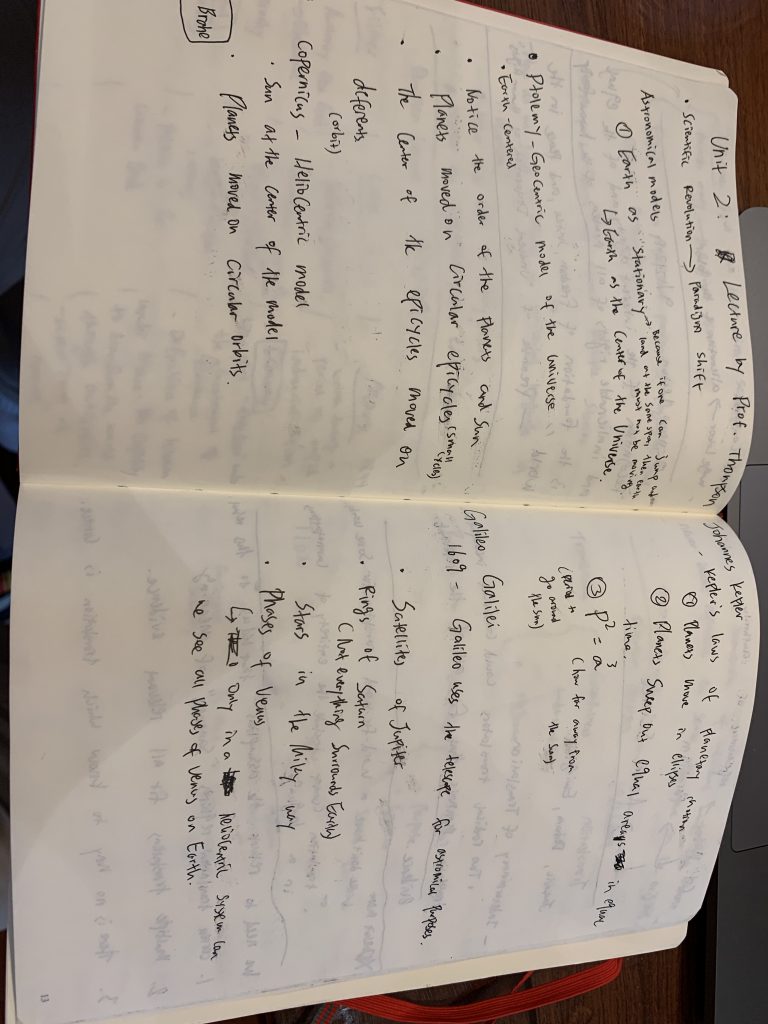
Two lectures I enjoyed particularly during the past year were the astronomy lecture and the Rwandan Genocide lecture. During the astronomy lecture, we learned the process by which early modern scientists figured out the nature of planets and stars, a major development in the history of humans. During the Rwandan Genocide lecture, we looked at some horrific pictures from the Rwandan Genocide and discussed the thought process behind our reaction, which is the study of the development of the human mind.